Lend a few hundred euros to a property developer or a small business and receive 6 to 10% interest a year: that is the promise of crowdlending. The return is real, and so is the risk. Here is how these platforms work, what can go wrong, and how to go about it.
The different forms
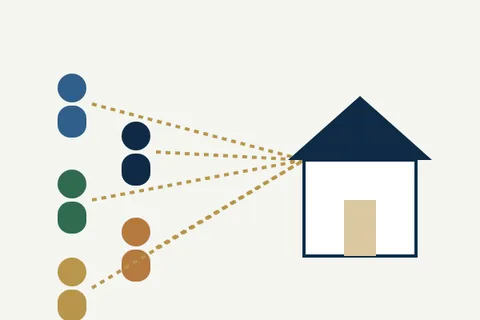
- Crowdlending (loans): you lend to a company or a developer, who repays you with interest on a set date. This is the most common form.
- Equity crowdfunding: you buy shares in a young company. High potential gain, high risk of total loss, very hard to resell.
- Real estate crowdfunding: most often a loan to a developer to finance a construction or renovation, over 12 to 24 months.
- Donation and reward crowdfunding: to support a project, with no expected return.
The legal framework
Since November 2023, crowdfunding platforms operating in the EU must be authorised under the European ECSP regulation, supervised by the FSMA for Belgian platforms. This framework requires in particular:
- a standardised key investment information sheet for each project;
- a knowledge test for new investors;
- a four-day reflection period for first subscriptions;
- segregation of client funds and a continuity plan if the platform ceases operations.
The advertised returns
Belgian and European platforms display typical gross returns of 6 to 12% a year, depending on the project. These rates pay for a very real risk: you are lending to borrowers who do not always find conventional bank financing for their whole project.
The risks
- Default: the developer or company does not repay, or only partly, sometimes after years of proceedings.
- Delays: an appeal against a permit, a delayed building site, slower sales. Your money stays tied up longer than planned.
- Illiquidity: impossible, or very hard, to get your money back before maturity.
- Platform risk: reduced by regulation, but not zero.
- Concentration: the same developer may borrow for several projects.
Spread your money over at least 15 to 20 different projects, in small amounts, and preferably on several platforms. A single default can wipe out the interest from several successful projects.
Taxation in Belgium
- Interest is in principle subject to the 30% withholding tax, deducted by the platform.
- An exemption exists for interest on loans made through an approved platform to young small companies (registered for no more than 48 months), on a first indexed annual tranche (€9,965 base amount), provided the loan lasts at least four years. Early repayment loses the benefit.
- Equity crowdfunding in start-ups can qualify for the tax shelter under conditions.
In other countries, crowdlending interest is generally taxed as savings or investment income: check your local rules.
Your real return after defaults and tax
Try 0%, 5% then 10% defaults: the advertised return melts away quickly.
Choosing a project well
- Read the key information sheet in full, especially the risks.
- Look at the track record of the developer and the platform: projects repaid, delays, published defaults.
- Check the guarantees: mortgage, personal guarantee, and their ranking.
- Be wary of rates well above the platform's usual ones: they signal higher risk.
- Only devote a limited share of your wealth to it.
Where to find these services
- Look&FinPlatform for loans to businesses and real estate
- BeebondsPlatform for bonds in real estate and business projects
- ESMAThe European register of authorised crowdfunding service providers
- FSMATo check a Belgian platform's authorisation
Links provided for information, with no partnership. Always check a provider's terms and authorisation before committing.
Test yourself
3 questions to check what you remember. Click an answer: the explanation appears straight away.
Question 1 of 3Since when have crowdfunding platforms in the EU had to be authorised under the European regulation?
The ECSP regulation requires authorisation, a key information sheet and a reflection period.
Question 2 of 3What is the best protection against defaults?
A single default can wipe out the interest from several successful projects.
Question 3 of 3How is crowdlending interest taxed in principle in Belgium?
A partial exemption exists for loans of at least four years to young small companies through an approved platform.
Frequently asked questions
Is crowdlending safe?
No, it is a risky investment: defaults, delays and illiquidity are common. Platforms have had to be authorised since November 2023, which regulates how they operate without guaranteeing the projects.
What return can you expect from real estate crowdfunding?
Platforms often advertise 6 to 12% gross a year. After possible defaults and tax, the real net return is significantly lower.
Is crowdlending interest taxed in Belgium?
In principle at 30%. An exemption applies to a first tranche for loans of at least four years to young small companies through an approved platform.
Sources
This article is educational and is not personal investment, tax or legal advice. Figures change: check them with the sources cited or a licensed professional before deciding. Read the full disclaimer.